

The contemporary commercial landscape is a complex tapestry of precision, performance, and innovation. As modern technology advancements, the need for materials that can withstand severe problems, all the while maintaining their functional stability, has never been better. For engineers and suppliers engaged in high-efficiency applications, silicone rubber tubes have risen to importance as a foundation of product layout and development, offering a functional remedy to a range of difficulties.
From microwave healing to water pipe engineering, silicone rubber tubes offer a suitable balance of strength and adaptability, essential for applications in aerospace, health care, and the vehicle markets, to name a few. This post dives deep into the fabric of silicone rubber tubes, discovering how variations in material and production can deal with the most intricate requirements of contemporary industry.
Navigating the Globe of Microwave Treating Silicone Rubbers
In the realm of quick healing procedures, microwave technology has become a game-changer, and silicone rubber plays a pivotal role. Microwave curing silicone rubber tubes use unequaled rate and performance, significantly minimizing manufacturing times contrasted to traditional techniques. Microwave energy agitates the molecular structure of the silicone, speeding up the cross-linking process and causing an exceptional, heat-resistant product.
For markets concentrated on high-volume output, such as electronic devices and telecoms, microwave treating silicone rubber tubes offer an essential advantage. The high dielectric strength and thermal stability of these tubes ensure long life sought after electrical applications. With lowered energy consumption and cycle times, makers can enhance their production lines for peak effectiveness without jeopardizing on top quality.
The Advantages of Fluorosilicone Rubber for Flexible Tubes Solutions
Versatile tubing is a foundation of several intricate systems, particularly those that come into call with harsh chemicals or extreme temperature levels. Fluorosilicone rubber attracts attention as a specialized product known for its remarkable resistance to gas, oils, and solvents. silicone tube manufacturers makes it an optimal prospect for applications such as fuel lines, hydraulic systems, and within the marine market.
The flexibility of fluorosilicone rubber makes sure that adaptable tubes maintains its architectural stability in time, also when revealed to the most aggressive settings. Its reduced compression collection residential properties and capacity to maintain flexibility throughout a wide temperature level variety ensure regular performance, making it a reliable remedy for high-efficiency systems that can not pay for downtime.
Tailoring Silicone Rubber Tubes for Non-Porous Applications
In markets where contamination is not an option, the non-porous nature of silicone rubber tubes is a vital function. In health care, pharmaceuticals, and food handling, the highest possible degrees of health and product purity should be maintained. Silicone rubber stands out in these fields, as its non-toxic, non-stick top qualities make it the material of choice for non-porous tube solutions.
silicone foam strip allow makers to create silicone rubber tubes with smooth, glass-like surfaces that inhibit the growth of microorganisms and prevent contamination. Whether assisting in the transfer of critical fluids or contributing in packaging, these tubes are an essential aspect for making sure top quality and safety and security in high-efficiency applications.
Leveraging Thermoplastic Resins for Improved Tube Shrinkage
Thermoplastic resins are a versatile team of products that, when incorporated with silicone rubber, can generate tubes with unique residential properties. Among the most compelling functions is the capability to make silicone rubber tubes with controlled shrinkage. This can be crucial in applications where a secure, tight-sealing fit is vital to protect against leakages or guarantee insulation.
For instance, in the automobile industry, silicone rubber tubes with regulated shrinkage are commonly made use of for wire and cable harnessing. By thoroughly adjusting the extrusion procedure, manufacturers can determine the final size and wall thickness of televisions, supplying customized options for numerous parts and systems within cars.
Cutting-Edge Processes for Production Silicone Water Piping
Pipes are indispensable components across countless industries, from residential pipes to industrial blood circulation systems. Silicone rubber pipes use an engaging option to standard products like PVC or copper. Silicone's resistance to scaling and rust, incorporated with its pliability and convenience of installment, make it a robust and efficient remedy for water management systems.
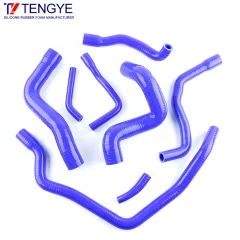
Advanced producing procedures, such as 3D printing and precision molding, have actually propelled silicone water pipes right into the future. These strategies enable for the development of complicated forms and layouts that satisfy details flow requirements, whether in a home faucet or a large industrial air conditioning system. With innovations in silicone formulas, pipes now can deliver not just water, but likewise boosted resilience and longevity.
The trip through the globe of silicone rubber tubes is among resourcefulness and continuous innovation. From their roles in vital applications to pioneering manufacturing processes, the versatility and resilience of silicone rubber tubes make them vital in our quest for high-efficiency systems and solutions. As we build in advance, it's clear that silicone rubber modern technology will proceed to play a leading role fit the commercial landscape of tomorrow.