

Insulators are crucial components in high-voltage power transmission systems as they play a crucial role in maintaining the electric current flowing safely. Composite insulators, also referred to as non-ceramic or polymer insulators, have ended up being a lot more prominent due to their better efficiency and durability. Insulator end installations are important components that connect the insulator to the conductor or other parts in a transmission line. In this post, we will discover the importance of insulator end installations, the different types available, installment techniques, products made use of in their building and construction, and relevant requirements.
The Function of End Installations in Compound Insulators:
End fittings are crucial components for composite insulator installation and connection. They secure the insulator to the structure and prevent it from escaping from the conductor. End fittings likewise supply a reputable mechanical user interface between the insulator and the structure, making certain that the insulator's load-carrying capacity is not endangered. They are additionally liable for moving the tensile and compressive lots from the insulator to the tower or pole and absorbing any flexing minutes.
Kinds Of End Fittings: An Extensive Summary:
There are several sorts of insulator end installations readily available, depending upon their application and framework type. The most usual ones include hinge, tongue-and-clevis, socket-eye, and yoke installations.
Ball-and-socket fittings include a ball-socket coupling that enables angular motion along a radial airplane, making them perfect for locations with high wind lots. Tongue-and-clevis installations use comparable angular activities however with less resistance to axial tons. They are one of the most generally made use of suitable in above transmission lines. Socket-eye installations give a safe straight-line pull and are normally used where the insulator axis needs to be in accordance with the conductor axis, while yoke installations are for usage when the conductor requires to be held in a fixed setting.
Setup Methods for Insulator End Fittings:
End installations can be set up using different methods, depending on the operational situations and the design needs. Among the most common methods is the kinking strategy, where end installations are affixed to insulators using a specific crimping tool. One more method is the mechanically lined strategy, which includes completely attaching the steel end suitable to the insulator making use of epoxy glue. tower hardware involves infusing the polymer material right into the metal end suitable, allowing for a strong bond between both materials.
Material Selection for Resilient Insulator End Fittings:
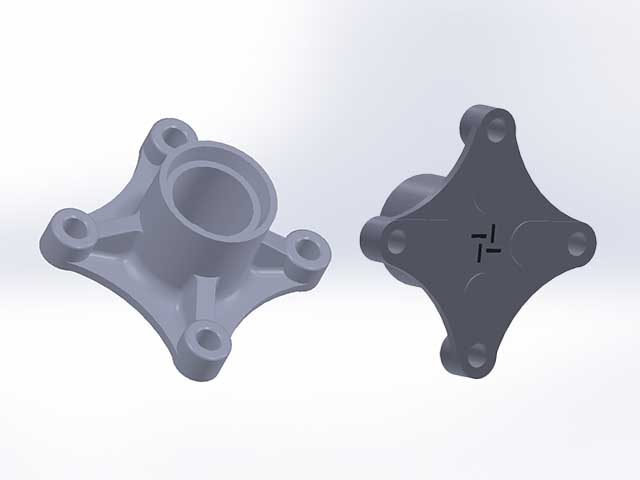
The option of product for insulator end fittings plays a vital role in their long life and durability. One of the most commonly used products are light weight aluminum, steel, and composite materials. For ball-and-socket fittings, light weight aluminum is a popular choice due to its high strength-to-weight proportion and deterioration resistance. For tongue-and-clevis fittings, steel is typically used due to its high strength and rigidness. For socket-eye fittings, both steel and light weight aluminum are generally made use of, while composite materials are made use of for yoke installations because of their excellent insulation and corrosion-resistant properties.
Requirements and Regulations Governing Insulator End Fittings:
To guarantee the safety and security and integrity of power transmission systems, numerous criteria have been developed to regulate the style, testing, and manufacture of insulator end installations. Several of these requirements include IEC, ANSI, and GB criteria, which cover essential aspects such as mechanical toughness, electric residential properties, and environmental efficiency. Furthermore, regulative bodies, such as the National Electric Safety And Security Code (NESC) and the Occupational Security and Health And Wellness Administration (OSHA), have additionally developed standards to control the secure operation and upkeep of transmission lines.
Insulator end installations are necessary elements in the power transmission system, and their proper setup, material option, and adherence to requirements are vital for system safety and security and reliability. Recognizing the various kinds of end installations offered, installation techniques, materials, and criteria can assist system operators and developers make notified decisions when choosing and setting up insulator end installations. They likewise play a critical function in the system's total sustainability by making sure that power is delivered safely and effectively.