

Metalworking is a complicated craft where accuracy meets strength. In the bustling world of workshops and commercial production, the devices you choose can make all the distinction. This guide intends to debunk the process of picking steel cutting devices, equipping you with the expertise to make enlightened decisions, whether you're an enthusiast servicing personal jobs or a professional ingrained in elaborate, high-stakes commercial procedures.
Understanding the Various Kinds Of Metal Cutting Tools Readily Available Today
The market is teeming with a variety of metal cutting tools , each made for a specific purpose. Comprehending the difference in between these devices is vital for the success of your task. We'll explore the performances of typical tools like saws, drills, and turrets, along with the a lot more customized devices such as broaches and countersinks.
Cutting tools such as end mills, broaches, and countersinks are staples in the machinist's toolbox. Each has a special geometry and specific function. End mills, for instance, excel at account milling and plunging, while broaches are unparalleled for finishing keyways and splines. By supplying real-world situations, we illustrate how each tool works, aiding you to envision their role in your individual or professional projects.
Secret Factors to Take Into Consideration When Choosing Steel Reducing Tools
Choosing the appropriate reducing tool is greater than a matter of ordering the very first one that comes to hand. There are numerous aspects to take into consideration, such as the material you're cutting, the type of cut needed, and the device's finishes and specifications. This area overviews you with a decision-making structure that will enhance your option process and guarantee that the device you choose is maximized for your demands.
Product is extremely important. Various steel compositions, from aluminum to stainless steel, react in a different way to cutting. You'll discover the suitable tool geometries, rate, and feed prices for various products, and just how to match them with tools that are designed with these requirements in mind. We'll likewise take a look at the importance of layer in lengthening tool life and boosting performance, specifically in high-speed and high-temperature reducing atmospheres.
Maximizing Effectiveness and Precision with the Right Reducing Tools
As soon as you've selected your tools, the following action is to use them efficiently. Also the finest cutting device can underperform if not used with precision. https://www.trading-gofaith.com/FYM2-MarbleMaster-Blades-PG9650620 gives functional ideas on device arrangement, cutting methods, and maintenance to enhance reducing performance and performance.
Proper device configuration requires interest to detail, from firmly clamping the device to setting the ideal height and overhang. Trimming approaches, including the selection between traditional and climb milling, can impact surface finish and tool life. We'll guide you through device course preparation, feeds, and speeds to attain preferred outcomes. Maintenance is equally essential; regular evaluation and reconditioning can significantly expand the life of a reducing device.
The Influence of Device Material on Reducing Performance
The material from which a reducing tool is crafted bears directly on its performance. Carbide, high-speed steel, and porcelains each have their strengths and weaknesses, making them appropriate for various applications. We'll lay out the features of these products and discuss their ideal use cases.
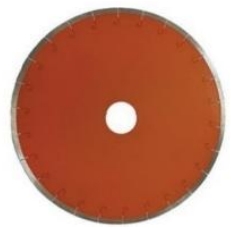
Carbide devices are recognized for their hardness and thermal resistance, making them a favored for high-speed and high-temperature applications. High-speed steel, while not as hard as carbide, is incredibly tougher and can stand up to higher impacts. Ceramics, on the other hand, are selected for their high-temperature resistance and low thermal conductivity, suitable for reducing extremely difficult steels.
Custom-made Solutions for Metal Reducing: Locating the Perfect Fit for Facility Tasks
Sometimes, standard cutting tools do not quite cut it. For specialized or complex tasks, custom cutting devices may be the response. We'll look at exactly how personalized tools are developed and produced to meet unique task needs, and exactly how you can work with tool producers to create tools perfectly customized to your needs.
Personalized devices are a necessity for certain markets and applications. Aerospace, clinical, and energy fields usually call for distinctive reducing remedies. We'll talk about the style procedure, including the use of CAD/CAM software and 3D printing for prototyping. You'll additionally learn more about the factors to consider associated with the automation of customized tools, including expense, preparation, and tool lifecycle.
In closing, by comprehending and applying the principles laid out in this guide, you'll be much better geared up to choose, make use of, and even develop the steel cutting devices that are necessary to your projects. Bear in mind, the appropriate device in the appropriate hands can shape metal as deftly as any musician's brush on a canvas. Make the effort to refine your tool selection process, and watch as your projects reach new heights of accuracy and quality.