

refractory metal is a steel admired for its high strength-to-weight ratio, making it a favorite amongst customized fabricators, engineers, and equipment fanatics. However, the process of cutting titanium can be daunting, as the product's strength poses distinct challenges contrasted to more typical metals. If you're thinking about a job that involves reducing titanium bars, this thorough overview is your starting factor for navigating the complexities of the process.
The Essentials of Reducing Titanium Pubs for Personalization
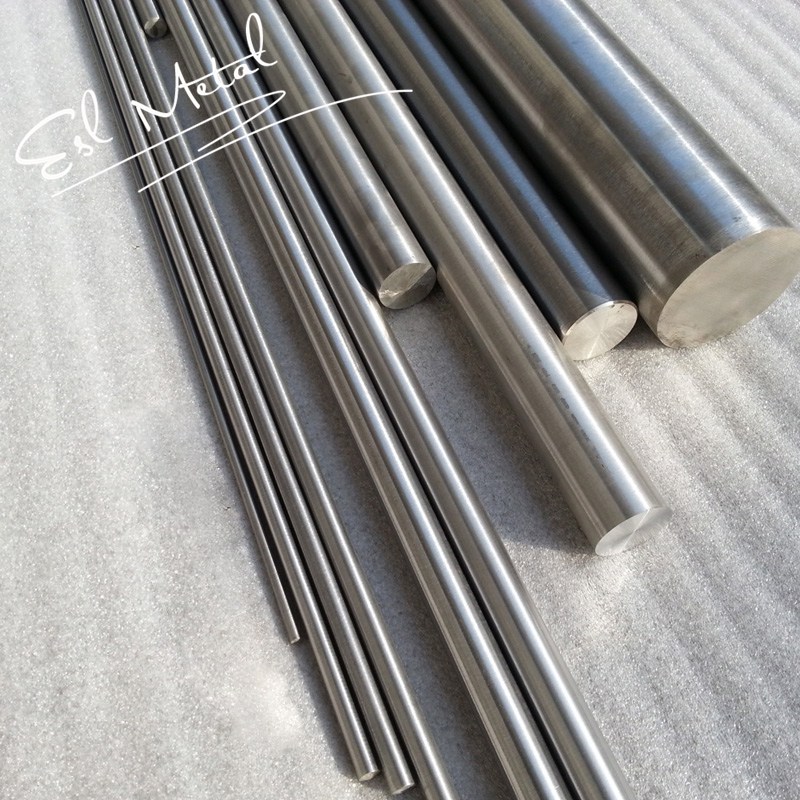
When it concerns titanium bars, personalization opens a globe of opportunities. Whether you're producing a lightweight structure for a bicycle or fashioning elements for aerospace applications, reducing titanium bars appropriately is crucial to the success of your task.
With the appropriate strategy, you can produce exact cuts that protect the metal's inherent integrity. The initial step is to recognize the nature of titanium and just how it differs from products like steel and aluminum. Titanium is understood for its rust resistance, high melting factor, and total longevity. These characteristics indicate that standard reducing techniques utilized on softer metals may not be enough. It's a metal that demands accuracy and persistence.
Customizing titanium bars can lead to amazing outcomes, but it is very important to note that collaborating with titanium requires a systematic method. Hurrying with this process can result in lose or, in the worst-case scenario, damage to the operator.
Vital Devices and Methods for Cutting Titanium Bars
Cutting titanium requires a collection of devices and techniques details to the steel's residential properties. High-speed steel blades or carbide-tipped saws are important for preserving a tidy and effective cutting side. The cutting method will certainly depend on the density of the bar and your preferred outcome, yet some typical options consist of:
Rough Cut-Off Saws: These are best for thicker titanium bars and sheets, offering a rapid cut but usually calling for post-cutting machining to smooth edges.
Band Saws: Perfect for thinner bars, as they can decrease the risk of deflection and keep a straight cut with minimal fraying.
Hacksaws: Although slower, they provide more control, which is crucial for detailed cuts and decreasing waste.
Each device has its advantages and disadvantages, and the choice must be made based upon the specifics of your job. Additionally, lubrication is essential to dissipate warmth and prevent the titanium from work-hardening, which would certainly make it much more challenging to cut.
Step-by-Step: Just How to Safely Cut Your Titanium Pubs
Before beginning any kind of titanium cutting task, security must be your leading priority. Below's a step-by-step overview to securely cutting titanium bars:
Prepare your workspace by securing the titanium bar and making certain ample air flow.
Select the suitable reducing device and guarantee that it is sharp and in excellent working condition.
Use proper individual safety tools (PPE), including shatterproof glass, handwear covers, and a face guard.
Lube the reducing area to lessen warmth accumulation and reduce the threat of triggering.
Begin cutting with constant, even stress, and stay clear of compeling the cut, which can damage the tool and bench.
After reducing, inspect the edges for any burrs or flaws, which can be removed with a file or sander.
Correctly deal with titanium shavings and chips, as they are sharp and can be unsafe if mishandled.
Keep in metal refractory , reducing titanium is an accuracy job that demands respect for the material and the process. Take your time, and do not be scared to seek specialist aid if the task exceeds your experience degree.
Consumer Experiences: Stories from Effective Titanium Bar Cuts
To better improve your understanding and confidence in reducing titanium bars, it's important to learn through those that've effectively dealt with such projects.
One customer, who called for custom-made size titanium bars for a motorcycling project, shared their experience. They emphasized the demand for tight dimensions and exactly how their choice of tool, a high-torque band saw, caused fits that were nearly best right off the saw. This conserved them substantial time in post-cutting changes.
An additional client, dealing with a mountain bicycle framework, recounted utilizing a rough cut-off saw with a titanium-specific blade. The initial cuts were precise sufficient to leave a margin of mistake for raveling the sides, which was accomplished with a bench grinder equipped with a fine wheel.
These experiences highlight the relevance of device option and the positioning of your devices for a remarkable cut the very first time.
Tips and Tricks for Enhancing Your Titanium Bar Cutting Experience
Work with Assistance: Utilizing V-blocks or a specialized cutting vise can avoid bench from vibrating, making certain a smoother and straighter cut.
Select the Right Blade: Guarantee the blade you use is made for steel cutting and, when possible, specifically for titanium.
Take Into Consideration Waterjet or Laser Cutting: For complicated forms or high-volume cutting, these precision approaches can supply cuts without the requirement for secondary processing.
Know When to Stop: If you discover that the cutting process is coming to be much more challenging or you're calling for additional force, stop and assess. Continuing to reduce with a plain blade or utilizing insufficient lubrication can lead to substandard results and device damage.
By following this thorough overview, you're prepared to approach your job with the necessary knowledge and recognizing to cut titanium bars efficiently and securely. Bear in mind, each job is one-of-a-kind, and while experience is an outstanding teacher, it is not the only one. Stay versatile and individual. Completion outcome of a customized, titanium production is well worth the dedicated treatment and focus you put right into its building and construction.