

In the domain of fluid control, Automatic Control Valves represent a peak of precision engineering and play a crucial role in a myriad of industrial, local, and commercial setups. From keeping optimal pressure, flow, and level in pipelines to controlling procedure variables in chemical plants and a/c systems, automatic valves are prevalent. This detailed guide will stroll you with the important aspects, from the principles to sophisticated option and maintenance of automated control shutoffs, providing you the expertise to make enlightened choices for your tasks.
What Is an Automatic Control Valve and Exactly How Does It Work?
Automatic Control Valves (ACVs) are essential elements of automated control systems, tasked with managing the flow, stress, and fluid degrees in numerous operational atmospheres. They achieve this through a mix of sensing units, actuators, and a meticulously created shutoff body that can modulate and maintain the preferred circulation features under vibrant conditions.
At the heart of an ACV is the actuator, which is the muscle moving the valve stem to open up or shut the path for fluid. This actuator can be managed by a series of systems, consisting of pneumatically-driven, hydraulic, and digital controllers. The shutoff's body is crafted to reduce cavitation, lower pressure drop, and enhance control precision.
The principles behind automatic control shutoffs include a proportional-integral-derivative (PID) control loop. Sensing units determine the procedure variable (e.g., pressure or flow price), which is after that compared to the desired setpoint. The controller determines the error and readjusts the actuator as necessary to fix the deviation, guaranteeing the procedure stays within the defined limitations.
The Development of Automatic Control Valves in Industrial Applications
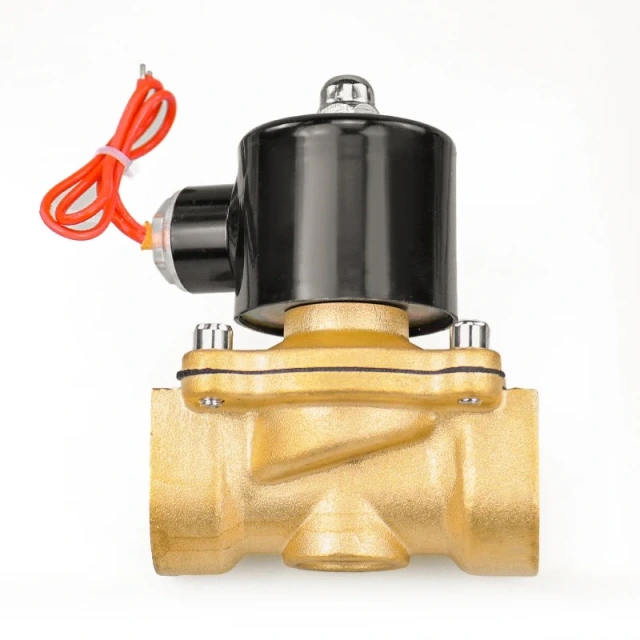
Over the years, the evolution of automatic valves has been marked by considerable technological developments. Conventional world valves with manual modification found in very early commercial configurations were swiftly replaced by diaphragm- and piston-operated automated shutoffs, which generated greater capability and dependability.
With raised automation and digitalization, contemporary ACVs are integrated right into intricate control networks, connecting information back to main systems and making it possible for remote tracking and adjustment. https://www.wenhuivalve.com/products/2w-nc in vital facilities such as water treatment plants, power generation centers, and oil refineries can not be overemphasized.
In today's electronically linked world, the growth of clever valves has actually better changed the landscape. These shutoffs utilize sophisticated sensors and onboard microprocessors to simplify the control process, predict upkeep demands, and adapt to transforming functional problems extra effectively.
Comparing Pneumatic, Hydraulic, and Electric Automatic Valves
When picking an automated shutoff, among the main factors to consider is the sort of actuation system it uses: pneumatically-driven, hydraulic, or electric. Each has its own collection of advantages, and the selection depends on aspects such as the application, atmosphere, and control demands.
Pneumatic valves, powered by compressed air, are recognized for their quick feedback times and are commonly made use of in high-paced manufacturing procedures where fast actuation is necessary. Hydraulic valves are chosen for their high force-to-size proportion, making them ideal for durable applications such as earthmoving devices and big machinery.
Electric automatic shutoffs, on the other hand, have made considerable invasions due to their accuracy and controllability. With the innovations in electrical actuator modern technology, they can now contend toe-to-toe with pneumatic and hydraulic alternatives. normally open solenoid valve provide the advantage of being power reliable, less complicated to preserve, and a lot more matched for usage in clean-room applications where air or hydraulic liquid contamination is an issue.
Selecting the Right Automatic Control Valve for Your Task
The successful application of automated control shutoffs hinges on choosing the right kind, dimension, and material for the task. Sizing the shutoff properly is important to ensure it can deal with the expected circulation prices without excess stress decline or cavitation, which leads to disintegration and premature failing.
Material option is equally important. Shutoffs might need to endure corrosive chemicals, high temperature levels, or unpleasant fluids. Common materials consist of stainless-steel for excellent rust resistance, bronze for potable water applications, and various engineered plastics.
Other variables to consider are the control characteristics of the valve, such as direct, equal portion, or quick opening, which affect just how the shutoff replies to changes in actuation. Ultimately, assimilation right into the existing control system and the needed certifications for security and efficiency standards need to also be thought about.
A Study in Valve Choice
Envision a circumstance where a district requires to update the control shutoffs in its water distribution system to boost performance and reduce water losses. The design group would certainly first need to analyze the operating conditions and flow patterns throughout the network to determine crucial points where automated control valves are needed.
For this application, they may pick electrical automatic control shutoffs for their exact control abilities and compatibility with the information acquisition system. Sizing the shutoffs based upon peak need and pressure demands will be important to stop over- or under-sizing. Materials would certainly be picked based on the water top quality specifications, with factors to consider for potable water requirements and lasting dependability.
The selected valves would certainly then need to show compliance with sector guidelines and criteria, and their installment would be come with by a very carefully made upkeep strategy to ensure regular performance.
Maintenance Tips for Long-Term Integrity of Automatic Control Valves
Proper maintenance is the linchpin of extending the life and efficiency of automatic control shutoffs. Relying on the sort of valve and the application, normal upkeep can range from standard evaluations to much more extensive servicing.
Some common upkeep practices for ACVs consist of:
Normal calibration and screening of the actuators to ensure they react accurately to regulate signals.
Examination of the valve body and trim for indications of wear or damage, which can influence securing and bring about leakages.
Lubrication of relocating parts for pneumatic and hydraulic valves to maintain smooth procedure.
Checking for air or fluid leaks that can endanger the actuator's performance.
Routine substitute of wearing components, such as seals and gaskets, to protect against unforeseen failures.
By adhering to a structured upkeep routine and without delay attending to any type of concerns that arise, organizations can guarantee the continuous and trustworthy procedure of their automatic control valves.
Looking to the Future of Automatic Control Valves
The advancement of automatic control valves is much from over. With the introduction of Sector 4.0 and the Net of Points (IoT), we are entering an age where valves are not simply easy control devices yet energetic individuals in the optimization of commercial processes.
In the coming years, we can anticipate to see more integration of ACVs into smart, interconnected systems that improve energy performance, lower downtime, and offer unprecedented degrees of control and automation. The possibility for technology in this space is vast, and automatic control valves will proceed to be at the forefront of fluid control innovation.