

The spreading of electronic devices in every element of contemporary life has led to a blossoming problem over electronic waste, specifically in the context of high-frequency rigid published circuit card (PCBs). As a critical component in high-performance communication devices, clinical devices, and aerospace modern technology, the environmental effect of stiff PCBs is significant. This post checks out the intricate relationship in between high-frequency rigid PCBs and ecological sustainability, shedding light on maker initiatives to minimize waste and the function of recyclability in style.
High-Frequency Stiff PCBs: A Source of Digital Waste
When discussing the ecological influence of high-frequency inflexible PCBs, the most important issue is typically digital waste. These innovative PCBs, recognized for their remarkable electric performance and stability at heats, are staples in applications that require reliability under discomfort. Nevertheless, the same complexity that makes them essential likewise renders them hard to reuse.
Intricacy and Structure
The detailed design and numerous layers of high-frequency inflexible PCBs frequently make use of materials such as polytetrafluoroethylene (PTFE), perfluoroalkoxy (PFA), and other fluoropolymers, along with traditional substrates like FR-4. These products, while outstanding for signal proliferation, pose significant challenges at the end of the item lifecycle.
Disposal Problem
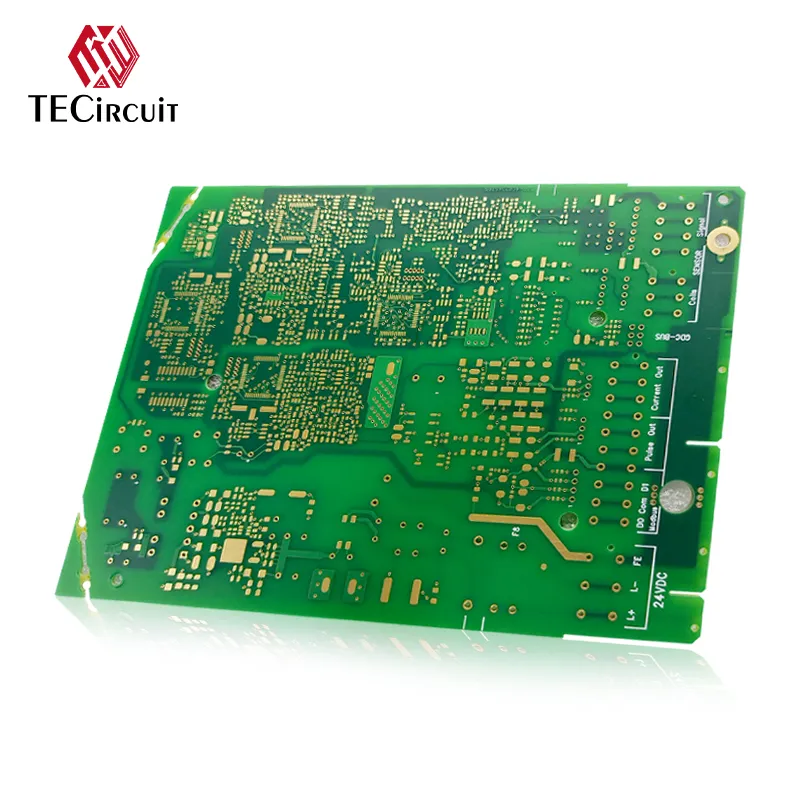
When electronic devices including high regularity PCBs reach their end-of-life, the boards themselves posture a substantial disposal dilemma. Landfilling isn't simply inefficient; it's a missed out on possibility for saving beneficial products. The high-frequency nature substantially lowers the PCB's capacity for reusability, worsening the waste concern.
Maker Efforts for Ecological Mitigation
When faced with these challenges, makers are applying numerous techniques to lessen the environmental footprint of high-frequency inflexible PCBs. These efforts intend to incorporate ecological considerations right into the lifecycle of the board, from layout with to end-of-life administration.
Sustainable Materials and Practices
One strategy includes using lasting, recyclable products in PCB building and construction. Manufacturers are exploring bio-based resins and polymers, in addition to environment-friendly etching processes, to decrease the dependence on non-recyclable materials and minimize chemical waste.
Environmental Accreditation
Lots of companies are looking for and attaining environmental accreditations such as the Constraint of Hazardous Substances (RoHS) directive and the industry-specific IECQ QC 080000. These qualifications guarantee that high-frequency stiff PCBs fulfill strict environmental performance criteria which the manufacturing processes stick to lasting techniques.
Recyclability: A Secret Component in Layout
Recyclability has actually come to be a vital focus in high-frequency stiff PCB style. Deliberately for disassembly and product healing, suppliers are making every effort to produce PCBs that can be easily included into the round economic situation.
Modular Design Approach
A modular style approach is getting grip, which concentrates on creating PCBs that can be taken apart into their constituent parts. This not just simplifies the reusing procedure yet likewise enhances the potential for repurposing elements in future items.
Material Traceability
In the search of recyclability, traceability is extremely important. By noting trulieve pcb and elements with clear recycling tags and information on material composition, suppliers can improve the recycling procedure and reduce contamination concerns, ensuring that products can be recycled successfully.
Client Perspectives: The Impact of Eco-friendly Campaigns
The environmental effect of high-frequency stiff PCBs is not just an issue for makers; it likewise considers heavily on the minds of clients. As sustainability ends up being a much more prominent consider purchasing decisions, the influence of environment-friendly campaigns on client viewpoints can not be overstated.
Business Sustainability Reports
Consumers are significantly wanting to company sustainability records to evaluate a firm's ecological commitment. Such openness enables customers to make informed choices about the products they purchase and the business they support.
rigid flex pcb for Eco-friendly Products
There is an expanding need for green items, and high-frequency inflexible PCBs are no exemption. Customers are favoring items and companies that demonstrate a clear commitment to reducing their ecological influence, which consequently is driving producers to introduce in sustainable high-frequency stiff PCB remedies.
Looking Ahead: The Path to More Lasting High-Frequency Inflexible PCBs
The ecological influence of high-frequency inflexible PCBs is a complicated concern with no single option. Nevertheless, by deploying a complex approach that combines lasting products, ingenious design, and a concentrate on recyclability, the industry is moving towards a more sustainable future.
Cooperation and Advancement
To tackle the environmental difficulties, collaboration throughout the worth chain is vital. This includes collaborating with providers to resource lasting products, partnering with reusing facilities to shut the loophole on PCB disposal, and introducing brand-new modern technologies that lower waste.
Regulative Frameworks and Specifications
Governing structures and industry-wide requirements play a crucial role in guiding the industry towards sustainability. By developing clear standards and benchmarks, these structures can aid straighten the efforts of suppliers, vendors, and consumers in the direction of a common objective of ecological stewardship.
To conclude, the telephone call for even more lasting techniques in the high-frequency rigid PCB sector is growing louder and extra urgent. Suppliers, consumers, and regulative bodies are all playing a component in cultivating a much more sustainable approach to PCB layout and disposal. By proceeding to introduce and react to the environmental obstacles, the industry is not just paving the means for more lasting high-frequency inflexible PCBs yet also exemplifying the capacity for technical improvement and ecological obligation to go hand in hand.