

Rotomolding, also referred to as rotational molding, is a production process used to produce hollow plastic components. Among the most popular applications of rotomolding is the manufacturing of urea storage tanks. Urea tanks are an essential component of diesel motor, utilized to store the urea solution that helps in reducing discharges. In this blog, we will certainly discover the art and scientific research of rotomolding urea storage tanks, covering the technical facets of the process, innovations in mold style, and the value of stabilizing appearances and performance.
The Technical Aspects of Rotomolding Urea Containers
Rotomolding urea containers includes an intricate process that calls for cautious focus to numerous technical facets. First, the mold is heated up to a particular temperature, normally between 300 ° F and 400 ° F. This temperature level is essential to accomplishing uniform home heating of the mold throughout the process. Next, a determined amount of polymer powder is put in the mold, which is after that secured and turned along 2 vertical axes. The synchronised rotation causes the polymer powder to layer the internal surface areas of the mold and mildew, creating a thin, uniform layer. The mold and mildew is then cooled down to strengthen the polymer, and the finished item is eliminated.
Product Scientific Research: Enhancing the Properties of Urea Containers
The polymer utilized in rotomolding urea storage tanks is usually polyethylene or polypropylene. Nevertheless, the product residential properties can be enhanced to satisfy specific requirements. For example, the polymer can be reinforced with glass fibers to raise toughness or blended with other products to boost chemical resistance. Antistatic additives may likewise be added to stop fixed build-up, which is a critical safety and security issue in hazardous settings.
https://cyroto.com/products/slide-mould in Mold Layout for Urea Tank Production
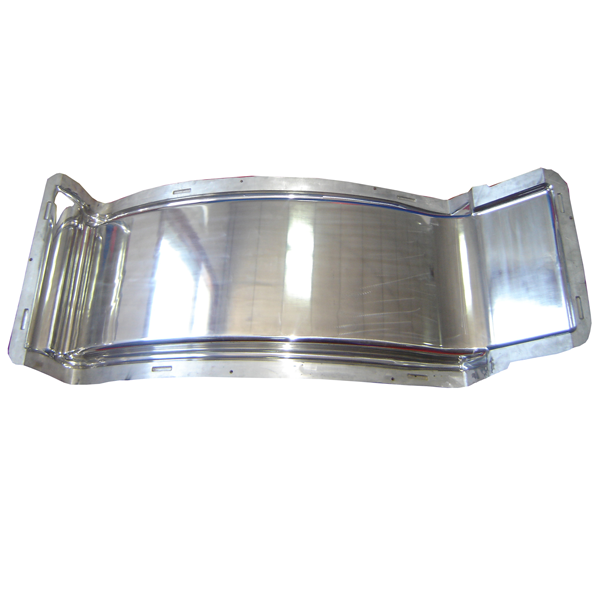
Mold and mildew style is a vital consider the top quality and accuracy of rotomolded urea storage tanks. Cutting-edge mold styles are constantly being developed to enhance manufacturing performance while maintaining consistency and high quality. For example, some newer mold and mildews incorporate interior baffles and ribs that boost the architectural integrity of the urea storage tank while reducing the quantity of material needed. roto mold consist of numerous cavities, permitting synchronised manufacturing of multiple components and decreasing production time.
Enhancing Manufacturing: Efficiency in the Rotomolding Refine
Performance in the rotomolding procedure is important to reducing manufacturing expenses and enhancing success. One means to simplify production is by making use of robotic systems to lots and unload the molds, lowering manual work and minimizing the risk of human mistake. Automated systems can also be employed to handle the temperature level and timing of the rotomolding process, making certain consistency and accuracy.
Balancing Visual Appeals and Functionality in Urea Storage Tank Layout
While the functionality of urea tanks is critical, it is likewise necessary to consider the visual high qualities of the last item. Visually pleasing urea storage tanks can boost the regarded worth of the item and add to a favorable client experience. In addition, design features can be integrated into urea tanks to make them extra functional, such as incorporated installing brackets or custom outlets.
In conclusion, rotomolding modern technology has actually changed the manufacturing of urea containers, permitting for the production of premium, accuracy elements. The technical facets of the rotomolding procedure, consisting of mold style and product science, are critical to attaining constant results. Innovations in mold and mildew design and automation have enhanced production effectiveness and high quality, while balancing aesthetics and performance is essential to create a successful item. In general, the art and science of rotomolding urea storage tanks is an interesting topic and one that plays a vital role in minimizing discharges and improving the atmosphere.