

The Comprehensive Overview to Titanium Pubs and Rods
Titanium is a metal that has acquired immense appeal in the industrial industry for its special residential or commercial properties. It is understood for its high toughness, reduced density, and superb resistance to rust. These attributes make it an outstanding choice for industries that call for metal components that can endure extreme environments. One of one of the most common kinds of titanium used in the commercial field is titanium bars and rods. In this comprehensive overview, we will certainly talk about every little thing you require to find out about titanium bars and rods.
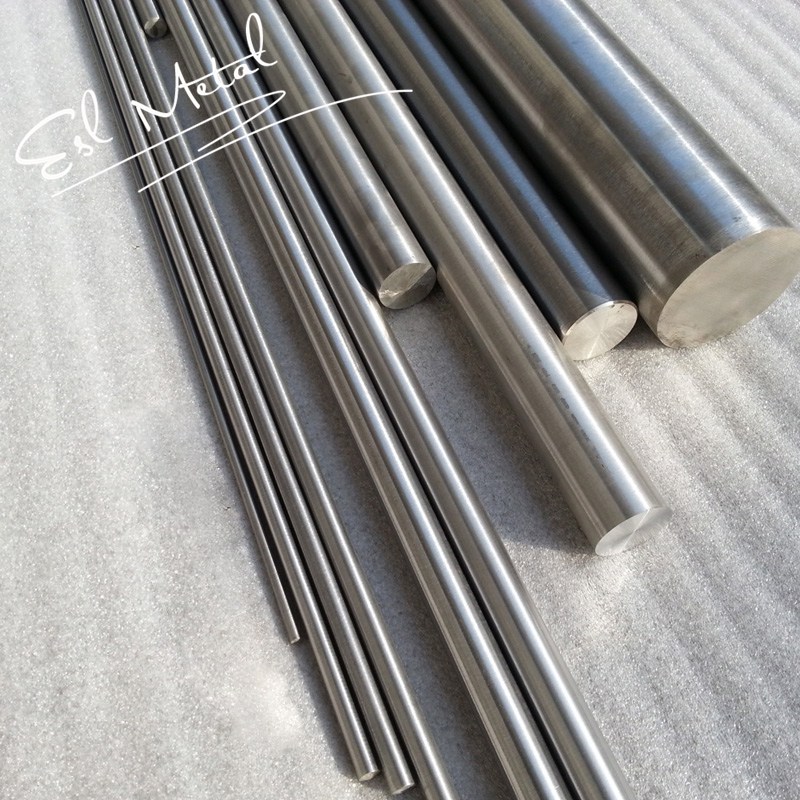
1. Comprehending the Residences of Titanium Nights Clubs and Rods
Titanium bars and poles are made from pure titanium or titanium alloys, which are a combination of titanium and other aspects such as aluminum, vanadium, and nickel. These bars and poles are recognized for their high strength-to-weight ratio, corrosion resistance, and outstanding fatigue resistance. They also have a reduced modulus of flexibility, that makes them a suitable option for markets that require lightweight and durable components.
Titanium bars and poles are durable, light-weight, and very immune to corrosion, making them a desired product for various industrial applications. They are made use of in the aerospace market, medical industry, army, and sporting activities equipment, among others.
2. Applications and Industries Counting On Titanium Bars
Titanium bars and poles are widely utilized in the aerospace sector for making aircraft parts such as touchdown equipments, engine components, and airframe components. The medical market makes use of titanium bars and poles to make clinical implants such as synthetic hip joints, oral implants, and spine addiction devices. The armed forces uses titanium bars and poles to manufacture lightweight armor plates, missile parts, and other protection devices.
Sports devices makers count on titanium bars and rods to manufacture lightweight, high-strength, and resilient parts for bikes, golf clubs, and tennis rackets.
3. The Production Process of Titanium Rods
Titanium rods are produced making use of the rotary forging procedure, which includes compressing the steel between two rollers to develop an uniform form. The prolongation and compression of the steel cause it to come to be stronger and denser, causing a titanium pole that can withstand high stress and tiredness.
As soon as the titanium rod is formed, it is after that cut to size making use of a saw or shearing device. The surface of the pole is after that treated to eliminate contaminations and enhance its surface coating. The pole is also heat-treated to boost its mechanical homes and to remove any residual stress and anxiety.
4. Grades of Titanium: Selecting the Right One for Your Requirements
Titanium is readily available in different qualities, each with its one-of-a-kind properties and uses. The most frequently used qualities of titanium are Grades 1, 2, 3, 4, 5, 7, 9, and 12.
titanium sheets is one of the most ductile and softest grade of titanium, while grade 5 titanium is the most difficult and most immune to rust. The option of quality relies on the meant use of the titanium bar or pole.
5. The Future of Titanium in Industrial Applications
The unique buildings of titanium make it an attractive material for markets searching for lightweight, high-strength, and corrosion-resistant components. The boosting need for high-efficiency and lasting industrial equipment is driving the development of the titanium market.
Using titanium in the automobile sector is expected to grow, driven by the requirement for lightweight and fuel-efficient vehicles. The construction industry is additionally anticipated to raise its usage of titanium for its corrosion-resistant properties.
titanium tube and rods are versatile and very sought-after in different industries, thanks to their one-of-a-kind residential or commercial properties. As this guide has actually shown, choosing the ideal quality of titanium and production process is vital for making sure that the components produced utilizing titanium bars and rods appropriate for the meant usage. The future of titanium in the commercial industry looks intense, and its raising need suggests that it will certainly remain to be a perfect product for creating lightweight, high-strength, and corrosion-resistant components in the future.