

In the age of Sector 4.0, automation and information exchange are fundamentally altering the production landscape. At the heart of this improvement lie closeness sensors, devices that are becoming more sophisticated and crucial than ever before. This blog post will take you on an excursion of how distance sensing units are improving commercial processes and products. I'll also introduce you to an advanced version from Ge-Ding, the Z1-GPS-23R, and explain why investing in sophisticated distance sensing services is not simply future-proofing however a prompt requirement.
Table of Component
Comprehending Closeness Sensors: Kinds and Applications
Incorporating Distance Changes into Smart Factories
The Function of Proximity Sensors in Enhancing Automation
Discovering the Z1-GPS-23R Model from Ge-Ding
Why Market 4.0 Rely Upon Advanced Proximity Sensing Solutions
Comprehending Closeness Sensors: Kinds and Applications
Distance sensing units are non-contact tools that are qualified of discovering the existence or lack of a things. They do so without physical contact-- enhancing performance and dependability. There are several types of closeness sensing units, including inductive, capacitive, ultrasonic, and magnetic (reed) switches over, each appropriate for different applications and settings. float switches for water tanks extends from basic discovery tasks to a lot more intricate surveillance and control operations within a vast array of markets.
Integrating Distance Switches Over into Smart Factories
Smart manufacturing facilities are the pivot of Sector 4.0, where the merging of IoT, AI, and progressed robotics occur. Distance buttons, the workhorses behind the scene, engage with equipment, conveyors, and robotics to supply real-time data essential for smart manufacturing. By helping in liquid level switches of tasks that when required human treatment, proximity switches over minimize errors, raise performance, and reduced operational expenses.
The Duty of Proximity Sensors in Enhancing Automation
Automation is not simply regarding rate; it's about precision, consistency, and flexibility. Proximity sensing units make it possible for machines to properly detect the setting of materials and parts, permitting for exact manipulation and control. Whether it's leading a production line, making certain right supply administration, or handling complex robot procedures, closeness sensing units go to the core of driving the automation surge.
Checking Out the Z1-GPS-23R Model from Ge-Ding
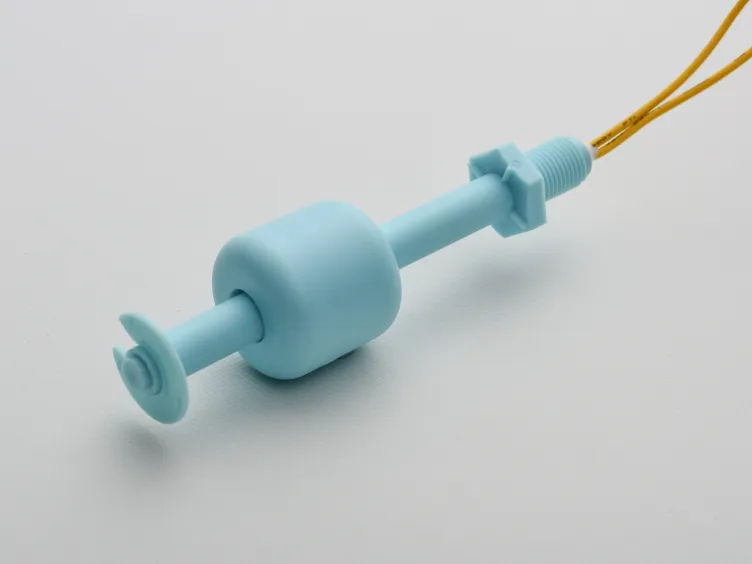
The Z1-GPS-23R is an advanced model from Ge-Ding that exhibits the sophisticated abilities of modern closeness sensing units. With a durable design for industrial setups and an extensive noticing range, this sensor supplies exceptional resilience and performance. Its compatibility with numerous products and object dimensions, in addition to a focus on energy effectiveness, makes it an optimal selection for forward-thinking suppliers wanting to improve their procedures.
Geo-Ding's dedication to development and item development makes certain that the Z1-GPS-23R not only fulfills however exceeds the strict needs of Market 4.0. Equipped with functions like self-diagnosis and remote picking up adjustment, it paves the method for an extremely receptive and flexible industrial atmosphere.
Why Industry 4.0 Relies on Advanced Distance Noticing Solutions
In a globe where every split second counts, the relevance of innovative closeness sensing units can not be overstated. Market 4.0 thrives on the agility and integrity these sensing units supply. From decreasing downtime and upkeep prices to enabling predictive upkeep via big information analytics, distance sensors have actually emerged as a sign for the future of commercial automation.
Purchasing the most up to date distance noticing modern technology does even more than guarantee an affordable edge; it ensures businesses can deal with the complexities and dynamism of the contemporary industrial eco-system. It has to do with staying not only in advance but relevant in a period where technology is the only constant.
Finally, the widespread assimilation of closeness sensing units in Sector 4.0 exemplifies their makeover from basic things detectors to important elements of the modern production process. By recognizing the types, functional applications, and specific designs like the Z1-GPS-23R, sectors can maximize their operations and be well-prepared for the future. If you're aiming to tip right into the future of industrial automation, it starts with the right sensing unit modern technology.