

Medical imaging innovation has actually reinvented the field of medication, offering doctors with extremely accurate and comprehensive photos that aid in diagnosis and therapy. Among one of the most frequently made use of medical imaging innovations is ultrasound imaging, which makes use of ultrasound transducers to create detailed images of organs, cells, and capillary. In this blog, we will dive right into the essentials of ultrasound transducers, detailing the types, frequencies, and applications they have in the medical sector.
Exploring Convex Transducers: The Leading Section in Ultrasound Imaging
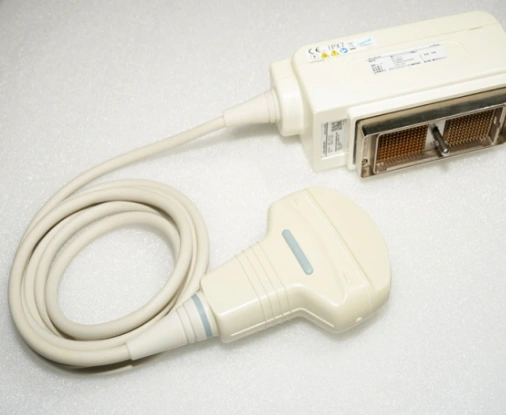
Convex transducers are the most frequently made use of transducers in ultrasound medical imaging . Usually described as curvilinear ranges, these transducers utilize a bent crystal to catch photos, enabling medical professionals to see internal body organs and various other frameworks in a much more thorough and three-dimensional manner. Convex transducers have a broader area of sight than various other types of transducers, making them ideal for imaging larger body organs such as the liver, kidneys, uterus, and prostate. They are likewise helpful for obstetrics due to the fact that of their capability to capture clear pictures of the unborn child and bordering structures.
https://www.medical-probes.com/blog-detail/understanding-the-dynamics-global-market-trends-in-ultrasound-transducers of High-Frequency Transducers in Improved Photo Resolution
High-frequency transducers are essential in boosting picture resolution, particularly in tiny organs or shallow tissues. These transducers use high-frequency acoustic waves to permeate tissues and produce clear pictures. As the frequency of the transducer increases, the resolution of the images created additionally enhances. High-frequency transducers are typically utilized in areas such as dermatology, ophthalmology, and bust imaging, where information is vital in medical diagnosis.
Cardiology to Neurology: Diverse Applications of Ultrasound Transducers
Ultrasound transducers have diverse applications, varying from cardiology to neurology. In cardiology, transesophageal echocardiograms (TEE) and tension echocardiography routinely entail using transesophageal transducers. These transducers have a higher frequency, making it much easier to capture pictures of the heart with the esophagus or the tummy. In neurology, transcranial doppler (TCD) makes use of transcranial transducers to monitor blood circulation in the mind, which serves for detecting conditions such as stroke, brain injury and various other neurovascular conditions.
The Climbing Appeal of Handheld and Wearable Ultrasound Gadgets
In current years, the popularity of handheld and wearable ultrasound devices has actually grown tremendously. These mobile devices are small, easy to utilize and offer outstanding versatility in scanning various parts of the body. They feature a smaller footprint and offer enhanced functional designs, enabling doctors to walk around the patient and perform factor of treatment scans conveniently. These gadgets satisfy several specialties and serve for emergency clinic, extensive care devices, and running spaces providing real-time, exact and non-invasive diagnoses.
Innovations in Transducer Technology: From Boosted Photo High Quality to AI Combination
Modern technology developments in current years have seen an improvement in ultrasound transducer technology. Manufacturers are constantly checking out means to enhance the high quality of pictures created by the transducers to offer more comprehensive details for medical diagnosis. One such advancement is the combined use Expert system (AI) and ultrasound to produce even more precise pictures and advertise faster medical diagnoses. Using AI formulas on the ultrasound transducers can make it possible for the physician to find irregularities previously, achieve exact medical diagnoses, and improve person end results.
As we have actually seen, ultrasound transducers vary in their application and benefits across many clinical specialities. However, their success in medical imaging innovation will certainly depend upon proceeded improvements in their design and technology. With the introduction of AI, the future of ultrasound transducers looks appealing, and we can expect to see much more advanced modern technology targeted at providing quicker and extra accurate diagnoses. However, understanding the crucial types, regularities, and applications of ultrasound transducers is crucial for doctors to improve client end results, and for this reason it remains an essential element of clinical imaging modern technology.