

In the domain name of fluid control, Automatic Control Valves represent a pinnacle of precision engineering and play a vital function in a myriad of industrial, community, and business settings. From preserving ideal stress, flow, and degree in pipelines to managing process variables in chemical plants and heating and cooling systems, automatic valves are prevalent. This extensive guide will certainly walk you via the critical aspects, from the principles to sophisticated selection and upkeep of automatic control valves, providing you the knowledge to make educated choices for your jobs.
What Is an Automatic Control Shutoff and Just How Does It Function?
Automatic Control Valves (ACVs) are essential parts of automated control systems, charged with handling the flow, pressure, and fluid levels in various functional atmospheres. They attain this through a combination of sensing units, actuators, and a carefully created valve body that can modulate and preserve the preferred flow attributes under dynamic problems.
At the heart of an ACV is the actuator, which is the muscle moving the shutoff stem to open or close the path for liquid. This actuator can be managed by a variety of systems, consisting of pneumatic, hydraulic, and electronic controllers. The shutoff's body is crafted to decrease cavitation, decrease pressure decrease, and improve control precision.
The principles behind automated control shutoffs involve a proportional-integral-derivative (PID) control loophole. Sensing solenoid valve normally closed determine the process variable (e.g., pressure or circulation price), which is after that compared to the wanted setpoint. The controller computes the error and changes the actuator accordingly to deal with the inconsistency, guaranteeing the process stays within the specified limitations.
The Advancement of Automatic Control Valves in Industrial Applications
Over the years, the development of automated valves has actually been noted by considerable technical developments. Typical globe valves with manual change discovered in very early commercial configurations were swiftly replaced by diaphragm- and piston-operated automatic valves, which brought in greater functionality and dependability.
With boosted automation and digitalization, modern-day ACVs are integrated right into complicated control networks, communicating information back to main systems and making it possible for remote tracking and change. Their function in crucial facilities such as water therapy plants, power generation centers, and oil refineries can not be overemphasized.
In today's digitally linked world, the development of wise valves has actually additionally transformed the landscape. These valves use advanced sensors and onboard microprocessors to improve the control procedure, forecast upkeep needs, and adapt to altering functional conditions much more successfully.
Comparing Pneumatically-driven, Hydraulic, and Electric Automatic Valves
When selecting an automatic valve, among the primary considerations is the kind of actuation system it utilizes: pneumatically-driven, hydraulic, or electrical. Each has its own collection of qualities, and the selection depends upon elements such as the application, setting, and control needs.
Pneumatically-driven shutoffs, powered by pressed air, are understood for their rapid feedback times and are commonly utilized in high-paced manufacturing processes where quick actuation is essential. Hydraulic shutoffs are chosen for their high force-to-size ratio, making them ideal for sturdy applications such as earthmoving tools and huge equipment.
Electric automated valves, on the other hand, have actually made substantial invasions due to their precision and controllability. With the innovations in electrical actuator technology, they can now contend toe-to-toe with pneumatic and hydraulic choices. Electric valves provide the advantage of being energy efficient, less complicated to maintain, and more suited for usage in clean-room applications where air or hydraulic fluid contamination is a problem.
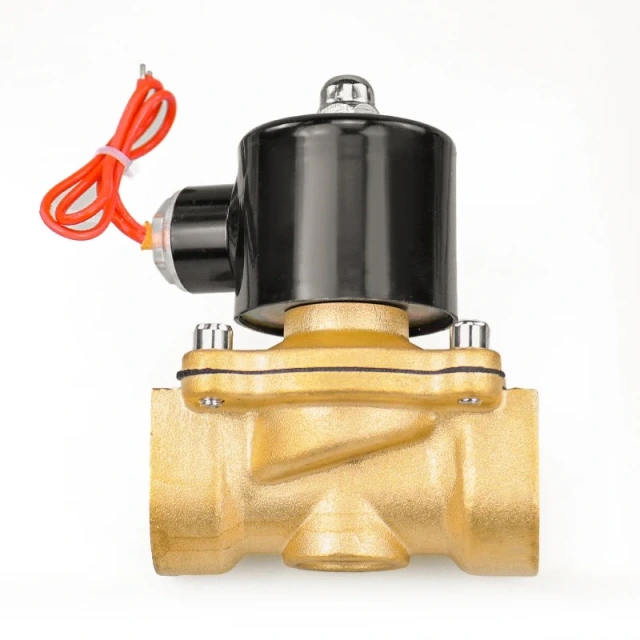
Picking the Right Automatic Control Shutoff for Your Task
The effective application of automated control valves rests on choosing the right kind, size, and product for the work. Sizing the valve appropriately is essential to ensure it can handle the anticipated flow prices without excess pressure decline or cavitation, which leads to erosion and early failing.
Product selection is equally vital. Valves may need to endure corrosive chemicals, high temperatures, or rough liquids. Typical products consist of stainless steel for excellent corrosion resistance, bronze for potable water applications, and various crafted plastics.
Other aspects to think about are the control qualities of the valve, such as straight, equivalent percent, or quick opening, which impact just how the valve reacts to changes in actuation. Ultimately, assimilation into the existing control system and the required qualifications for safety and security and performance criteria need to also be taken into consideration.
A Study in Shutoff Selection
Visualize a scenario where a municipality requires to update the control valves in its water distribution system to boost effectiveness and reduce water losses. The engineering team would certainly first need to examine the operating problems and flow patterns throughout the network to recognize vital points where automated control valves are necessary.
For this application, they may pick electrical automatic control valves for their accurate control capabilities and compatibility with the information purchase system. Sizing the shutoffs based upon peak demand and pressure needs will be crucial to avoid over- or under-sizing. Materials would be selected based on the water high quality criteria, with factors to consider for drinkable water standards and lasting integrity.
The selected shutoffs would then require to reveal conformity with market regulations and criteria, and their setup would certainly be accompanied by a meticulously designed maintenance strategy to guarantee regular efficiency.
Upkeep Tips for Long-Term Dependability of Automatic Control Valves
Proper upkeep is the cornerstone of expanding the life and performance of automatic control shutoffs. Depending upon the kind of shutoff and the application, normal upkeep can range from fundamental examinations to extra thorough servicing.
Some usual maintenance practices for ACVs consist of:
Routine calibration and testing of the actuators to guarantee they react accurately to manage signals.
Assessment of the valve body and cut for indicators of wear or damage, which can influence sealing and bring about leakages.
Lubrication of moving parts for pneumatically-driven and hydraulic valves to keep smooth operation.
Looking for https://www.wenhuivalve.com/products/2w-series or fluid leakages that can endanger the actuator's efficiency.
Regular replacement of using components, such as seals and gaskets, to avoid unforeseen failures.
By adhering to a structured upkeep routine and immediately resolving any kind of concerns that emerge, organizations can guarantee the constant and trustworthy operation of their automatic control valves.
Seeking to the Future of Automatic Control Valves
The development of automated control valves is far from over. With the arrival of Market 4.0 and the Internet of Points (IoT), we are getting in a period where shutoffs are not just passive control tools yet active participants in the optimization of commercial procedures.
In the coming years, we can expect to see more assimilation of ACVs right into smart, interconnected systems that enhance power efficiency, reduce downtime, and offer unmatched levels of control and automation. The capacity for technology in this space is substantial, and automated control valves will certainly proceed to go to the center of liquid control innovation.