

In the detailed world of production, the precision of parts can suggest the difference in between top-tier efficiency and failure. One innovation at the leading edge of this accuracy game is Computer system Numerical Control (CNC) grinding. This post intends to discover the advancements in CNC grinding technology, how they reinvent manufacturing, and what the future holds.
shearing machine of CNC Grinding Machines
The very early history of grinding is a tale of human hands improving materials to practical precision. With the Industrial Change, water wheels and steam engines mechanized the procedure, yet it wasn't up until the mid-20th century that the first CNC mills emerged. These very early models transformed the production landscape by introducing set control over grinding courses and pressure, getting rid of several manual jobs and drastically enhancing throughput.
Fast ahead to the 21st century, and today's CNC grinding machines are wonders of accuracy design. They stand as pillars of contemporary production, converting digital blueprints right into physical fact with sub-micron precision and offering a degree of repeatability and control that the previous generations can only desire of.
Just How Modern CNC Grinders Enhance Production Accuracy
The secret to the precision of modern CNC grinders hinges on their robust layout and progressed control systems. These devices are constructed to exacting standards, with top notch products and extensive screening to make sure marginal vibrations or deviations. The control software application not just manages the setting and turning speed of the grinding wheel yet likewise aspects in variables such as material solidity, thermal development, and also the age of the rough, all to deliver a perfect finish.
However it's not simply the equipment; the assimilation of sensors allows real-time adjustments based upon the material's feedback to the grinding process. This dynamic adaptation means that the end product specifically matches the electronic design, version after model.
The Function of Expert System in CNC Grinding
Expert System (AI) has actually taken CNC grinding to the following degree. With artificial intelligence algorithms, CNC grinders can enhance their procedures autonomously, gaining from past tasks to enhance efficiency and top quality gradually. AI additionally assists in predictive upkeep, spotting wear and tear on the equipment parts before they influence result, thus enhancing uptime.
Moreover, AI is breaking new ground with on-the-fly improvements and the ability to take care of more complicated jobs. It's not just about accuracy any longer, but regarding adaptability to the progressively varied and personalized nature of making needs.
Comparing Traditional vs. CNC Grinding Techniques
Comparing CNC grinding to traditional techniques resembles pitting a smart device versus a landline phone. Typical grinders lack the accuracy, speed, and control that CNC machines offer. They are also a lot more labor-intensive and often require a greater level of skill to run, resulting in a higher margin of error and slower turnaround times. CNC grinding, on the other hand, is very automated, causing decrease prices and quicker distributions for manufacturers.
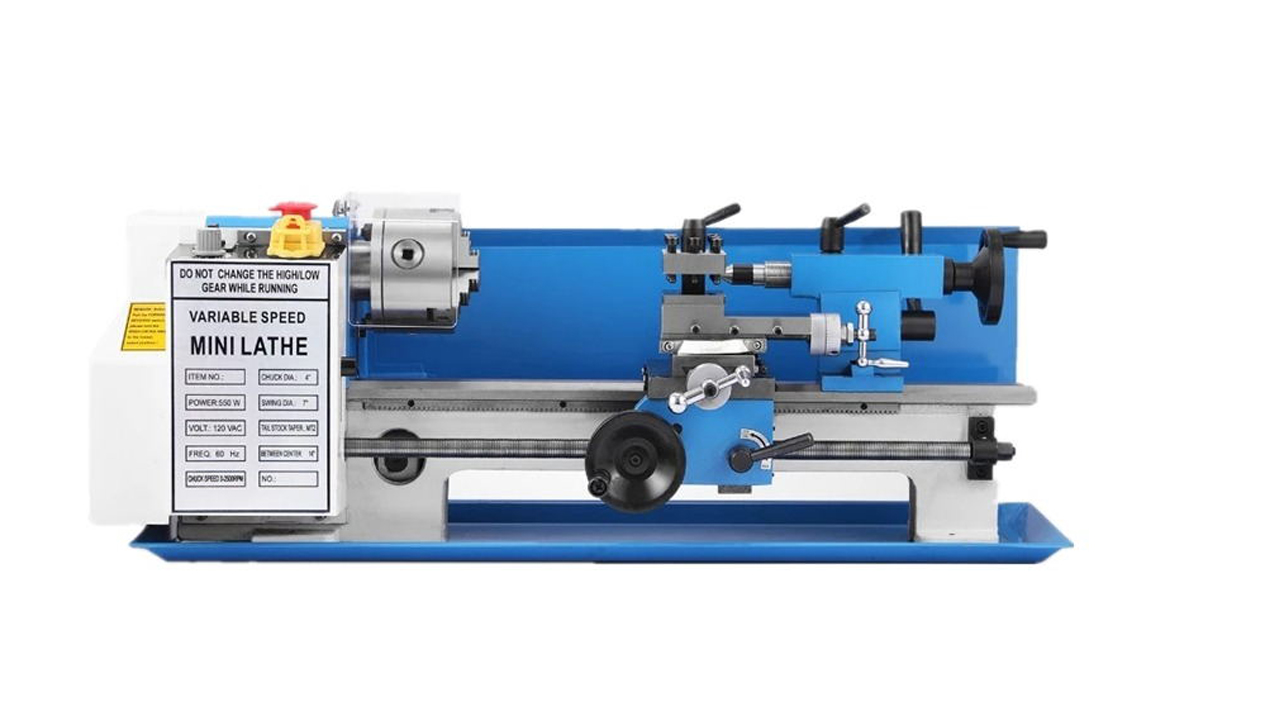
Nonetheless, https://www.senmocn.com/lathe.html hold sway in particular locations, especially with very specialized elements or low-volume manufacturing runs where the setup time for CNC devices could outweigh their benefits.
Future Patterns in CNC Grinding Technology
The future looks incredibly exciting for CNC grinding technology. We can expect to see improvements in AI that bring about also a lot more autonomous and adaptive makers, with the ability of taking care of extraordinary degrees of complexity and selection in production needs. Additive production, or 3D printing, is expected to incorporate with CNC grinding to refine 3D-printed elements at a degree of precision that is currently testing to achieve.
Furthermore, it is most likely that ecological problems will certainly drive the advancement of even more lasting grinding strategies. This could involve using environment-friendly abrasives or the optimization of maker procedures to decrease energy consumption and waste.
To conclude, CNC grinding technology is not simply a cog in the production wheel; it's the very axis around which the modern-day market rotates. Its consistent evolution is not simply a testament to human ingenuity but also a guarantee of a future where accuracy design and effective manufacturing are not simply objectives but guarantees.